AI-native mobile product development · iOS + Android

Mobile application development designed for business outcomes.

We design and develop customer, employee and field-service mobile applications from the first product decision through app-store release and continued development. AI-native delivery accelerates specification, platform-specific implementation, testing and release documentation; named professionals remain accountable for product and quality decisions.

  • 50+ delivered mobile applications · 13+ industries
  • Native and cross-platform experience (Swift, Kotlin · React Native, Flutter)
  • UX, backend, integration and store release in one hand

Brief professional discussion · platform and scope decision · no obligation

6–14 wks
Typical delivery · MVP → App Store
5.0★
Clutch rating · 11 reviews
78%
Test coverage · new release average
since 2013
50+ delivered mobile apps
What does it mean?
Definition

What is mobile app development for businesses?

Mobile app development for businesses (also known as enterprise mobile application development, B2B mobile app development or enterprise mobile development) is a service in which an expert team designs, builds and operates business-grade iOS and Android applications in an enterprise environment. A mobile app can be native (Swift / Kotlin) or cross-platform (React Native / Flutter), and typically breaks down into 3 phases: MVP (6–12 weeks), production release (12–26 weeks), and continuous iteration (in monthly to quarterly cycles). Unlike classic software development, mobile app development requires specific platform compatibility, App Store / Google Play compliance and performance optimization.

In short

AP4 Digital’s Budapest-based team builds B2B mobile apps for iOS and Android: MVP in 6–12 weeks at a fixed fee, using native (Swift, Kotlin) or cross-platform (React Native, Flutter) technology, with 50+ delivered mobile apps as references.

Service:B2B mobile app developmentPlatform:iOS · AndroidStack:Swift · Kotlin · RN · FlutterRegion:HU · EU

B2B mobile app development guide: 12 pages, free

Free PDF · 12 pages

Downloadable PDF: the key decisions of enterprise mobile app development, native vs cross-platform, MVP scope, tech stack selection, budgeting, App Store / Google Play submission, ASO basics, AI integration in B2B environments.

Native vs cross-platform decision matrixMVP feature scope: what to leave outRealistic budget ranges for 6 mobile app tiers

Author: István Dienes · Managing Director, AP4 Digital · Technical review: the AP4 senior mobile development team

Privacy: we send the PDF in a single email, you are not signing up for a newsletter.

AP4 Digital · GuideUpdated: Q2 20267 / 12

Native vs cross-platform: decision matrix

NativeCrossTime-to-marketslower30–50% ↑PerformancemaxgoodCode sharing0%60–70%
ap4digital.com/en/mobile-app-developmentPDF · 1.3 MB

A mobile app is not for everyone.

Specifically for whom

A well-designed mobile app pays off when it strengthens the customer relationship or speeds up daily work. With bookings, orders, payments, status tracking, field data capture or push notifications, it is no longer just a digital surface, it becomes a tool that delivers business advantage.

4 profiles where it pays off ·
and honestly: who should skip it
Returning customers

When customers come back regularly

Bookings, loyalty programs, push, quick reordering, here an app drives retention and revenue.

Fitness · sports · padelRestaurant · café · deliveryHotel · tourismPrivate clinic · education · e-commerce
Internal processes

Field work, warehouse, service

Work orders, photo upload, GPS, inventory, issue reporting, signatures, often pays back faster than a customer app.

Logistics · warehouse · freightConstruction · manufacturing · maintenanceAgriculture · field salesScheduling · customer relations
Marketplace / platform

Multiple actors, separate interfaces

Driver-passenger, coach-client, restaurant-courier-customer. When the model is multi-sided, a mobile app is often the only viable UX.

Professional-client marketplaceLandlord-tenant · sharing economyCoach-client · education platformProvider-customer portal
Push-native business

When you communicate regularly

Booking reminders, order status, promotions, expiry alerts. Here push is the only channel that reliably gets through.

Booking · order statusPromotions · coupons · loyaltyExpiry · service alertsDocuments · critical notifications
A simple decision ruleA mobile app is worth it if at least 3 are true of the following:

Answer the seven questions, we’ll show you whether an app, a PWA or a web system fits your project.

0 / 7 trueA web system is probably the right directionWith these answers we would not recommend an app: a responsive website or web app pays off better.
When you may not need one

If you only need a brochure site, returning customers are rare, there is no booking or login, and the budget is limited: a responsive website or PWA is the better choice.

We'll tell you honestly on the 30-minute call, if the app won't pay off, we won't recommend it.

30-minute consultation

App, responsive website or PWA? Which is the right choice?

Services · Platform decision + functional layer

One of the most important decisions in mobile app development is not the design, it is the platform. A premium customer app, a quickly validated MVP and an internal enterprise system each call for a different solution. Features (AI assistant, offline, push, payments) are not separate technologies: they layer onto any platform.

01 · Native

Native iOS / Native Android

Separate native codebases in Swift / SwiftUI (iOS) and Kotlin / Jetpack Compose (Android). Maximum performance, every platform API available.

A good fit when: premium UX, offline-first, heavy camera/sensor use, AR, gaming
Not when: you need fast time-to-market on both platforms in parallel
Tech
SwiftSwiftUIKotlinJetpack ComposeStoreKitFCM
02 · Cross-platform
AP4 recommended

Cross-platform (React Native / Flutter)

iOS + Android from a single codebase. 30–50% faster time-to-market, ~60–70% code sharing. Extended with native modules where the UX demands it.

A good fit when: both platforms at once, medium-complexity UI, cost-efficient
Not when: extreme graphics performance, deep platform-specific features
Tech
React NativeFlutterTypeScriptExpoDartFirebase
03 · Web app

Mobile-optimized web app / PWA

Responsive web application, installable as a PWA on the home screen. Push notifications, offline cache. No App Store review, instant deployment.

A good fit when: internal tools, fast iteration, B2B portals, no store requirement
Not when: you need a native feel, deep hardware integration or App Store presence
Tech
ReactNext.jsPWAService WorkerWeb PushIndexedDB
Functional layerThese are not separate apps, they layer onto any platform.
AI assistantprivate RAG / agents, on your own dataOffline modelocal data store, sync on reconnectPush notificationsstatus, reminders, promotionsPaymentsin-app purchase, cards, Apple / Google PayGPS · camera · sensorsfield data capture, signatures, QREnterprise integrationERP · CRM · SSO · internal APIs

After the platform decision, we layer the features on according to the needs of the project.

Not sure which one you need?
On a free 30-minute consultation we'll pick the right path for your project together.
Request a consultation

Native or cross-platform?

NativeSwift · Kotlin

We choose native development when a platform-specific experience, performance or device integration is the priority.

When the platform is the product experience

Cross-platformReact Native · Flutter

A cross-platform solution may be more economical when functionality is largely the same on both platforms and the long-term benefit of a shared codebase outweighs the platform compromises.

When the shared codebase is worth more

The project decides, not a technology preference: scope, device capabilities, performance requirements and long-term operation together determine which route is more economical.

AI-native mobile delivery.

AI can assist with preparing shared and platform-specific code, extending test cases, debugging, API integration and release documentation.

Acceleration does not replace verification on real devices, with integrations and actual user flows.

What AI accelerates

  • preparing shared and platform-specific code
  • extending test cases
  • debugging
  • API integration
  • release documentation
Human professional gate
  • platform selection
  • device permissions
  • performance and security decisions
  • app-store release

These decisions are made by a named professional, not by the model.

Experience with live mobile products

transport, hospitality, healthcare, logistics, B2B mobile products have been brought into live operation. Each case study identifies AP4's role and which outcomes are public.

Pricing · 2026
PRICING.
MVP · Full · Enterprise

Three realistic delivery levels. The exact package is tailored to your project.

Within 2 business days of a 30-minute call we send a preliminary scope with time and budget ranges: the detailed proposal follows after discovery.

MVP€15–38kfrom6–12 weeks · Fixed fee10-50-person SaaS / startup, validation phase1 platform (iOS or Android)5–10 core screensBackend basics (auth, REST)App Store / Google Play submission1 month of supportRequest an MVP proposal2-business-day preliminary proposal
EnterpriseCustompricing26+ weeks · T&M or fixed with SLA500+ employee enterprise, regulated industry (fintech, healthtech, gov)Multi-platformComplex backend / microservicesSSO, IAM, audit log24/7 SLA, multi-region cloudCustom AI integrationDedicated customer success managerLet's talk2-business-day preliminary proposal
Hungarian Kft. · HUF / EUR / GBP accepted · intra-EU reverse-charge VAT. Prices updated: 2026-08-05.Request a preliminary proposal in 2 business days

30 minutes → 2 business days → your mobile app project kicks off

What you get if you reach out now
No "we’ll get back to you" -
every step has a deadline
Within 30 minutesProblem & fit assessment

I review your existing mobile app or your idea and give you immediate tech feedback.

FirstFirst professional opinion

I email you a first professional opinion: tech stack and architecture direction, with an estimated timeline.

Within 2 business daysPreliminary scope + budget range

A preliminary feature scope with time and budget ranges: the detailed proposal follows after discovery.

In any caseNDA · your code · your data

Under NDA if needed. You own the code, and your data stays in your own tenant.

30-minute consultation

Not sure whether you need an app?

30-minute call

We start the first conversation with the business context and recommend an app only when it is genuinely justified.

  • What you walk away with: where a B2B mobile app makes sense to start
  • How many weeks, what it costs: a first calibrated estimate
  • What we need from you, what we deliver
  • Under NDA if we discuss sensitive data

Brief professional discussion · platform and scope decision · no obligation

calendly.com/istvan-dienes-ap4/30min · 30-min

Which development route fits your project?

Decision guide

Enterprise mobile development has four typical routes, and each has its place - for different situations. The criteria below help you choose for your own project; the table describes category traits, it does not rate specific vendors.

strongpartialweak
This is usSpecialised agency (like AP4)product-focused team
Large integratorenterprise programmes
Freelance developerindividual expert
No-code platformBubble · Glide · FlutterFlow
Strengths
Product strategy, UX, engineering and store release in one hand; full code ownership
Large capacity, many roles, formalised governance
Low entry cost, direct communication
Fastest first version, low initial cost
Trade-offs
Not for every size: multi-team programmes above ~€250k fit a large integrator better
Longer lead times and higher coordination cost are typical
Single-person capacity and replaceability - worth handling in the contract
Platform ceiling: limits on scaling, custom UX and data export
Typical use
B2B and customer-facing apps from MVP to production
Enterprise internal systems, multi-country rollouts
PoC, prototype, supplementary development
Internal process apps, form-based tools
When is it the right choice?
A business app where UX, integrations and the deadline matter at once
Multi-team, long programmes with an existing framework agreement
Small scope, early experiment, tight budget
Internal form or admin app, quick validation, low load

We give you the comparison projected onto your own project on the 30-minute call - and we tell you if we are not the right route.Let's discuss in 30 minutes

Classic dev shops have seniors but no AI. AI startups have AI but no seniors. We have had both since 2013.

The team · The combo you won't find elsewhere

Senior mobile developers, designers and project managers: the team that will work on your next mobile app project. Not randomly assigned resources, but named people you meet in person at kickoff.

András Sárközi · Head of Operations, senior business analystHe will lead your project too · ask him directly30-minute call
Development process · 12 weeks

Mobile app development in 6 steps.

From discovery to production iteration, one closed loop, six stations. Refined through 50+ delivered B2B mobile apps.

Your involvement: 1–2 hours a week. We handle the rest.
Case study · 2026React NativeAnonymized · NDA

Rewriting a mobile application. A decision measured in two numbers.

We rewrote an industrial client's native Kotlin Android application onto an agent-based React Native stack in 50 days: the original native codebase shrank by half, and test coverage grew from 12% to 78%.

Source: SonarCloud measurement · March 2026 · Client name under NDA
Turnaround time · −94%
30 mo50days
Test coverage
12%78%
Codebase size
1× · halved

The native Kotlin version was a codebase twice the size, the result of three years of iteration. With the agent-based rewrite, redundant layers fell away, the architecture was cleaned up, and the test pyramid was rebuilt. SonarCloud metrics are A-grade in both versions, but the nature of the issues differs substantially: duplicated business logic and hard-coded configuration were typical in the old code; in the new version these exist as centralized modules.

What does this mean for you? If you want to modernize a 5+ year old mobile app, or shorten a 30+ month roadmap, this is exactly the kind of engagement we take on.Let's talk about your project
Why us · 04
04 reasons.

Why choose us for mobile app development? Four points, zero marketing.

A 4–8 person senior-led boutique studio, since 2013 · 50+ delivered mobile apps · 13+ industries.

Featured

Senior control, verified AI acceleration.

We have worked in an agent-based development environment since 2023 (Claude Code, Cursor, Copilot), with senior engineering control behind every release: mandatory code review, static analysis and end-to-end tests. AI accelerates the implementation - design and release decisions remain human responsibility.

50+delivered mobile apps

Private RAG.

Your corporate data stays in your own tenant. Zero data retention, EU data residency, dedicated key pair. Self-hosted LLM is also an option.

0
bits shared

30+ apps delivered.

Across 13+ industries: tourism, healthcare, transit, automotive, hospitality, education. We won't be learning on your project.

13+
industries

Weeks, not months.

First working PoC in 2–6 weeks, production app in 12–26 weeks. Seniors + AI agents in parallel, one person ships as much per sprint as a classic 4-person team.

6 wks
first PoC
What does this mean for you?
30-minute call → a preliminary scope with time and budget range within 2 business days.
Let's talk about your project

Mobile app technologies we work with.

Stack 2026

You don't need to understand the stack, we explain what each development type is for and in which business situation it pays off fastest.

iOS: native
SwiftSwiftUIUIKitCombineCore MLARKitXcodeFastlaneTestFlightiPadOS
Android: native
KotlinJetpack ComposeML KitARCoreAndroid StudioGradleWear OSAndroid TVGitHub ActionsFirebase
Cross-platform
React NativeFlutterTypeScriptExpoKotlin Multiplatform
AI layer (new)
Claude CodeCursorCopilotLangChainpgvectorPineconeWeaviateAnthropicOpenAISelf-hosted LLMWhisperMLflow

When to use which? We decide during the 30-minute call: premium UX → native; fast MVP → React Native; AI features → alongside any stack with a native SDK.

Not presentations: live business systems.

References · 30 projects

TMRW Hotels - digital guest experience and mobile product. BKK Telebusz - an app supporting a travel and service process.

Every case study states the starting situation, the solution delivered, the type of result and - where publishable - how it was measured. If a result is not public, we say so.

15 featured projects, more on the References page.

Tourism · Mobile app2025

TMRW Hotels mobile app

A complete smart-hotel system: reception, room key and concierge in a single mobile app, from booking to check-out.

Case study
Education · Web development2025

Black Cell

Gamified e-learning platform for mandatory cybersecurity training: points, badges and leaderboards keep employees motivated.

Case study
Logistics · ERP2024

MÉH-SYS ERP

Waste management ERP: inter-site material flow, weighbridge integration and invoicing in a single system.

Case study
Transport · Municipal2024

BKK Integrated Taxi Registry

Budapest’s taxi licensing system: application, inspection, issuance and revision on a single authority interface.

Case study
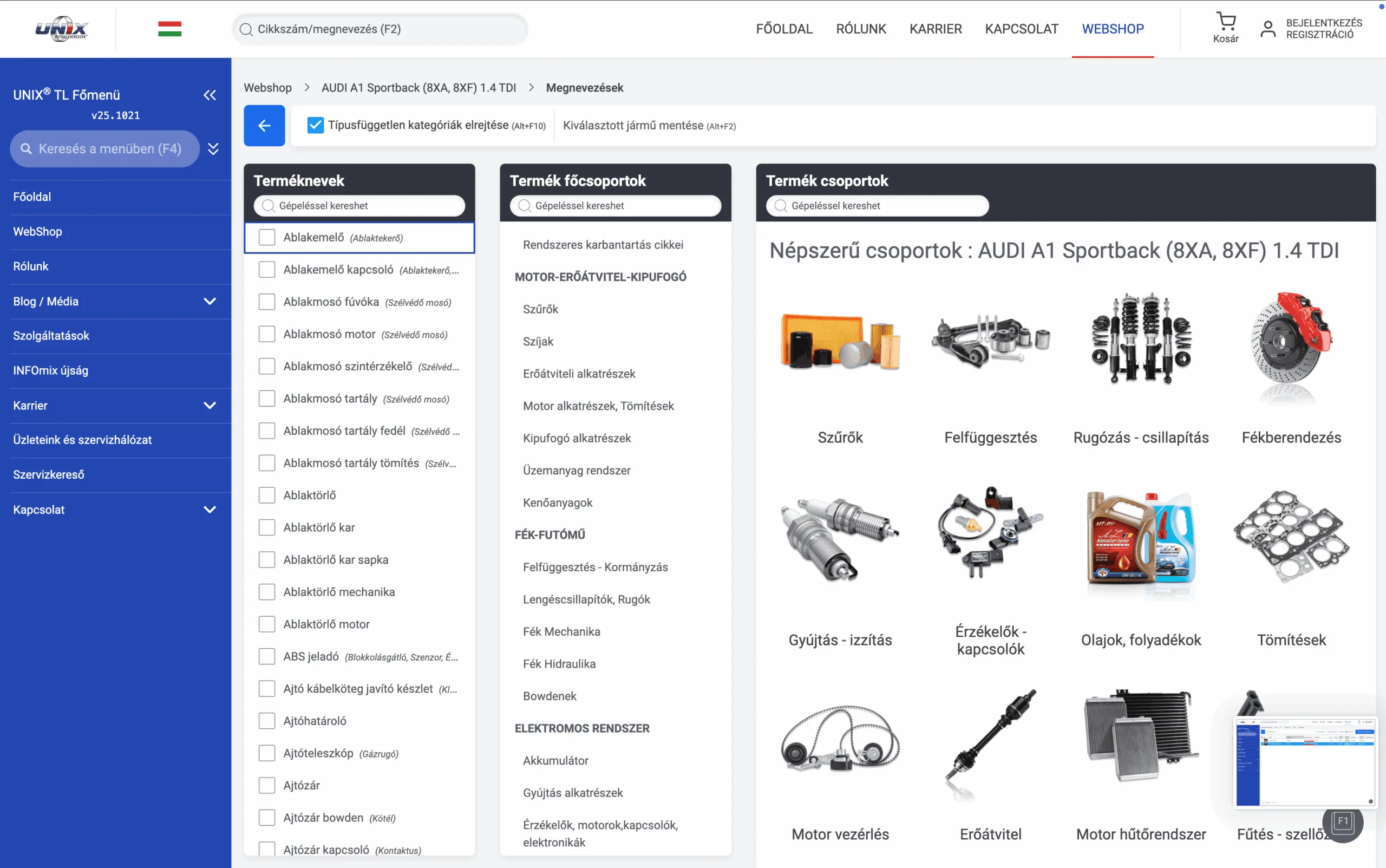
UNIX Auto webshop
Automotive · E-commerce2024

UNIX Auto webshop

A complex parts catalogue with precise vehicle-type identification, B2B and B2C pricing logic and integrated logistics.

Case study
Transport · Mobile + Web2024

BKK Telebusz

Demand-responsive bus booking platform: passenger mobile app, driver interface and dispatcher console with real-time route optimisation.

Case study
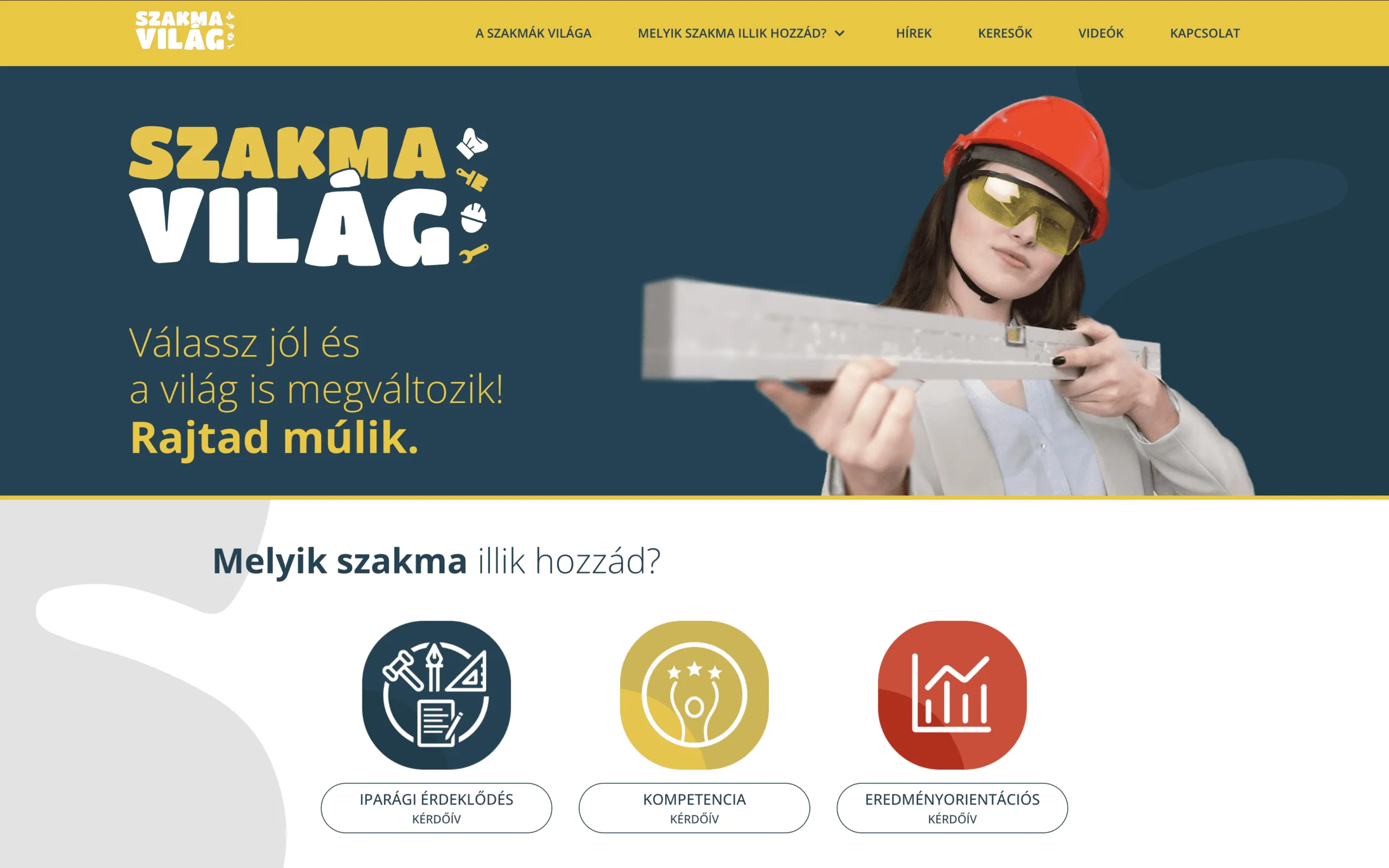
Szakmavilag.hu
Education · Web portal2023

Szakmavilag.hu

Career orientation portal for young people: interactive career map, profession profiles, training opportunities and an institution finder.

Case study
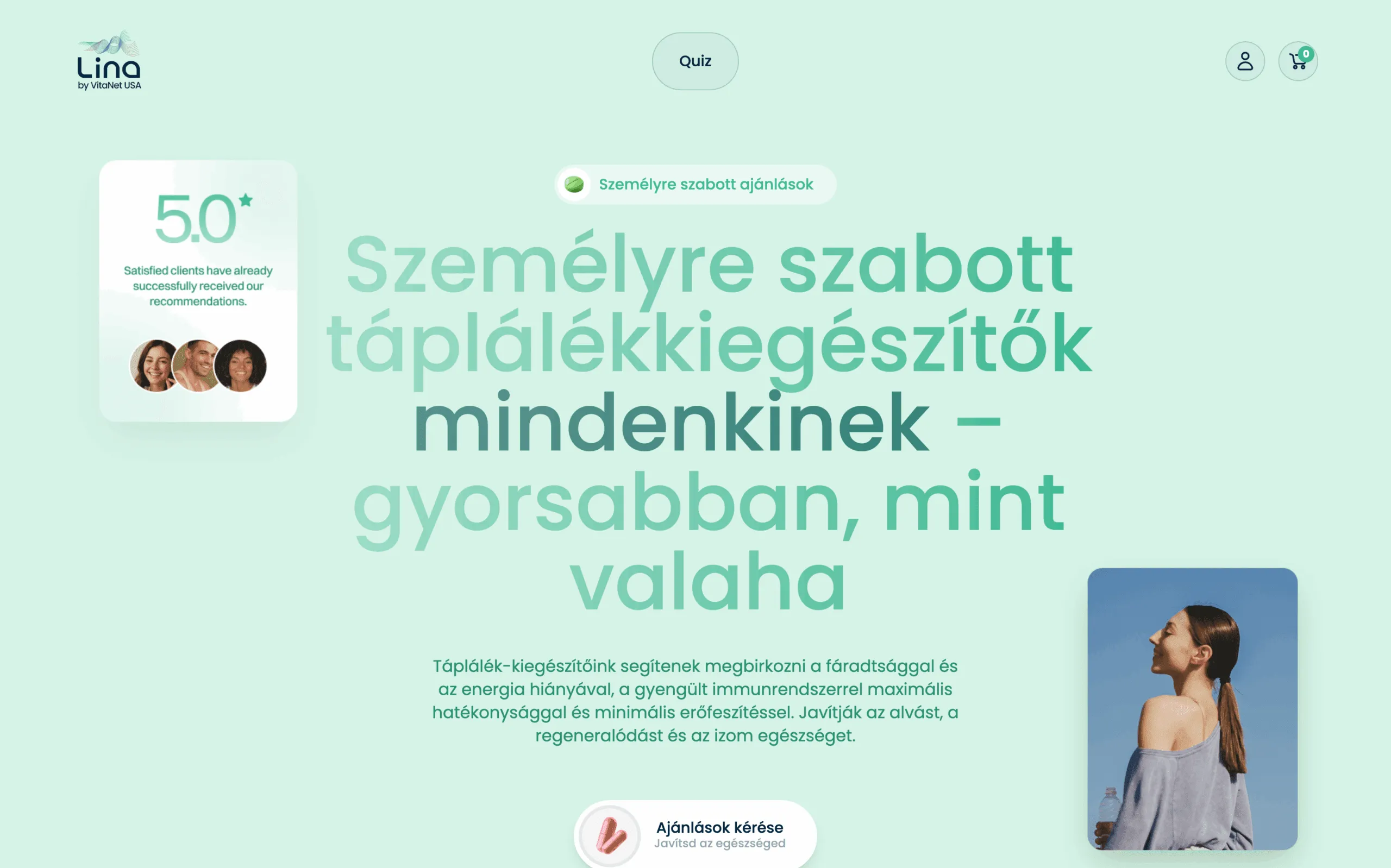
Lina by VitaNet
Healthcare · E-commerce2023

Lina by VitaNet

Health webshop built for the US market with multi-currency payments and US-compliant shipping and privacy logic.

Case study
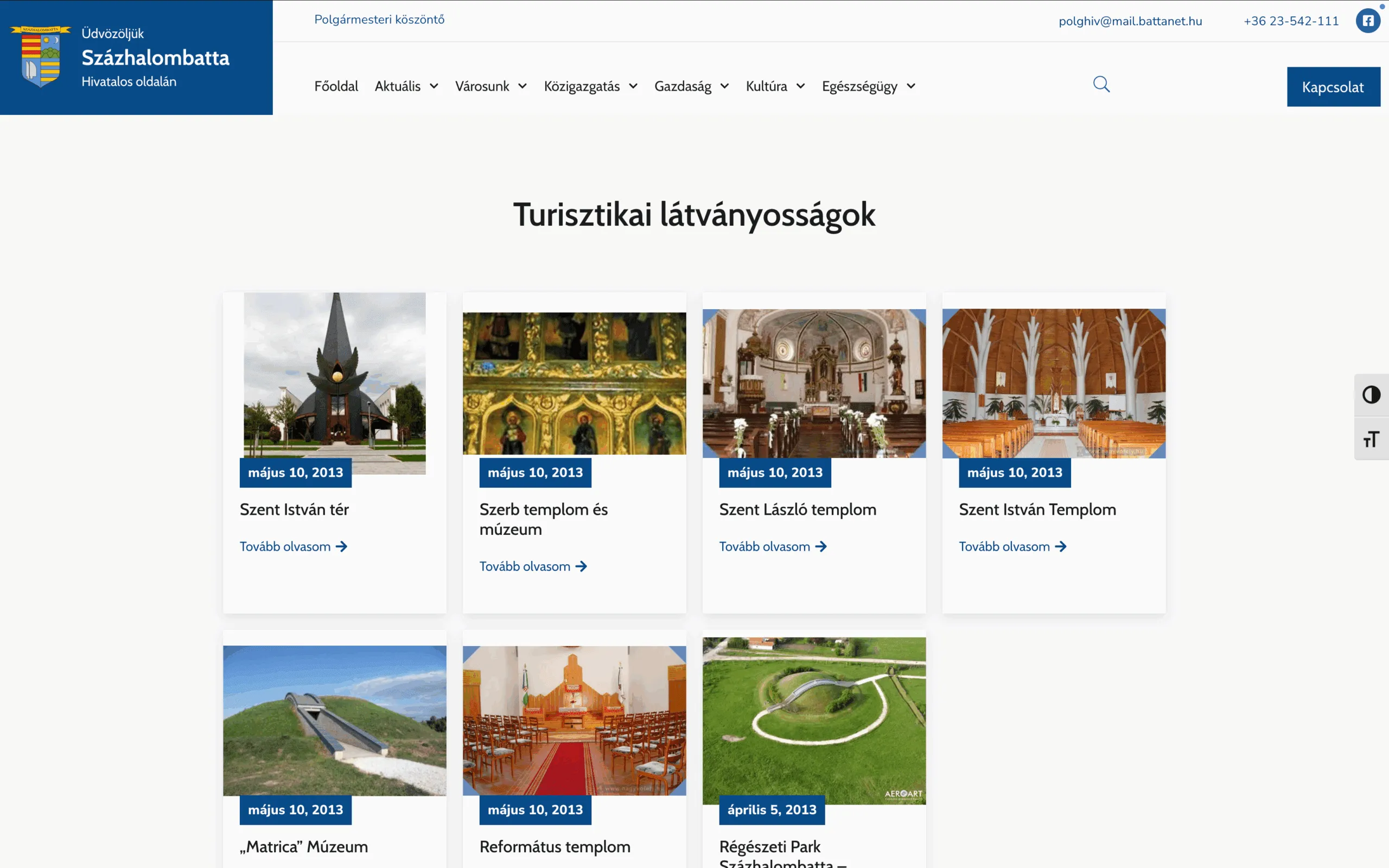
battanet.hu
Municipal · Web development2023

battanet.hu

The official municipal portal of the city of Százhalombatta: accessible and structured, with a tourism module.

Case study
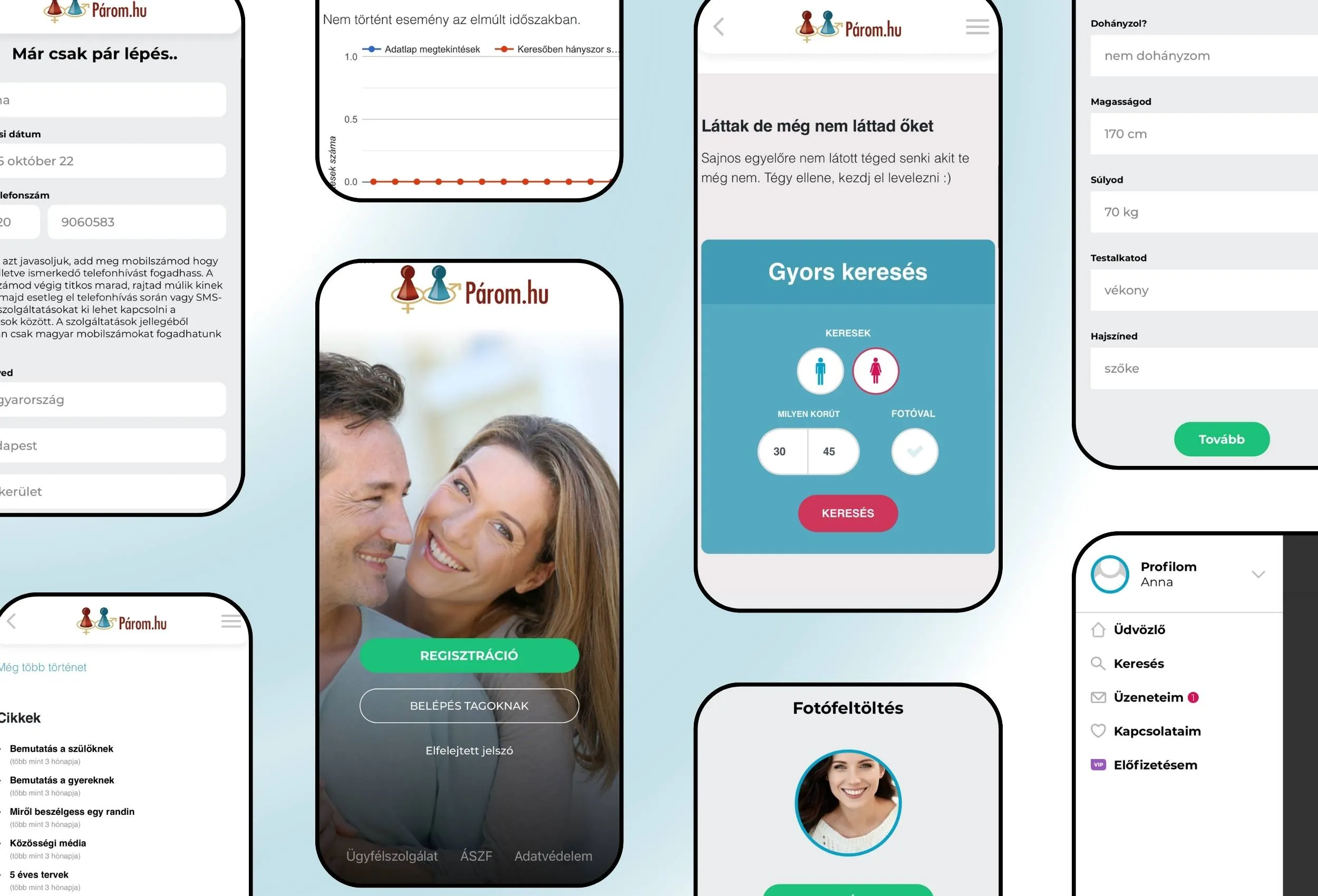
Párom.hu mobile app
Mobile app · Dating2023

Párom.hu mobile app

The mobile app of Hungary’s leading dating service: chat, real-time notifications, profile matching and push-based activity logic.

Case study
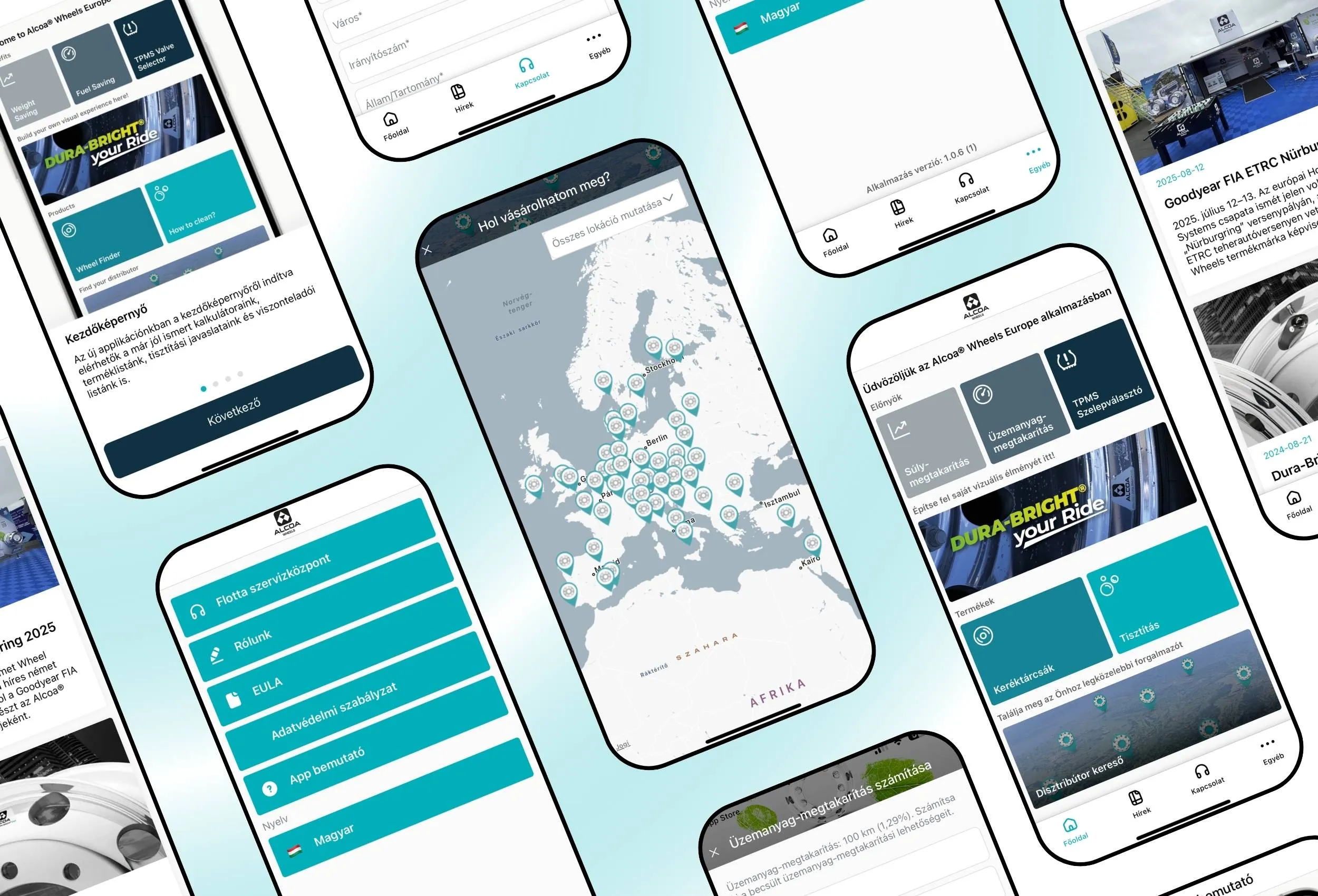
Alcoa Wheels Europe
Automotive · B2B Mobile2023

Alcoa Wheels Europe

B2B wheel configurator on mobile: compatibility checking and order history for distributors and resellers.

Case study
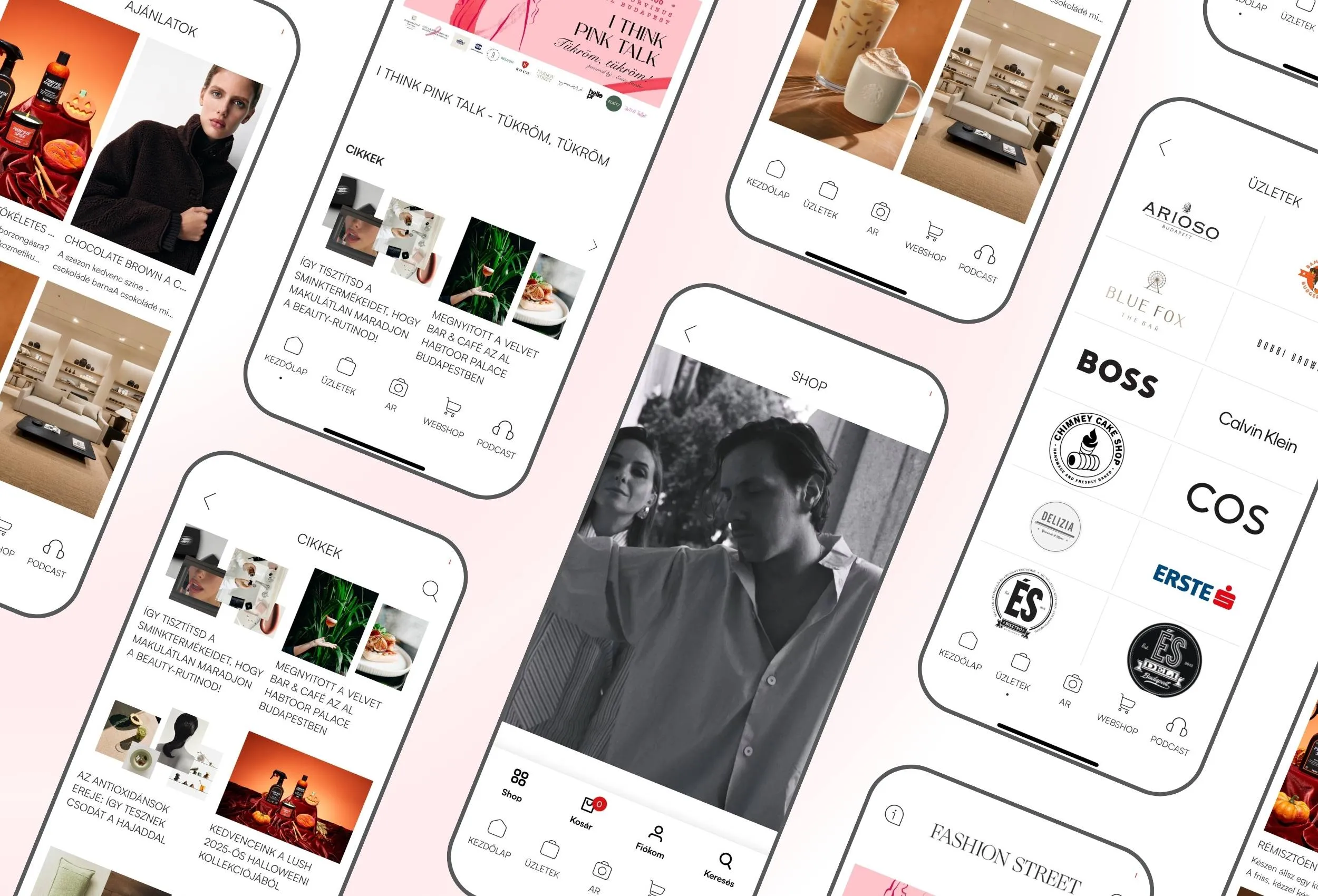
Fashion Street mobile app
Tourism · Retail2022

Fashion Street mobile app

A downtown experience guide: shops, events, coupons, dining offers and map-based navigation on Budapest’s Fashion Street.

Case study
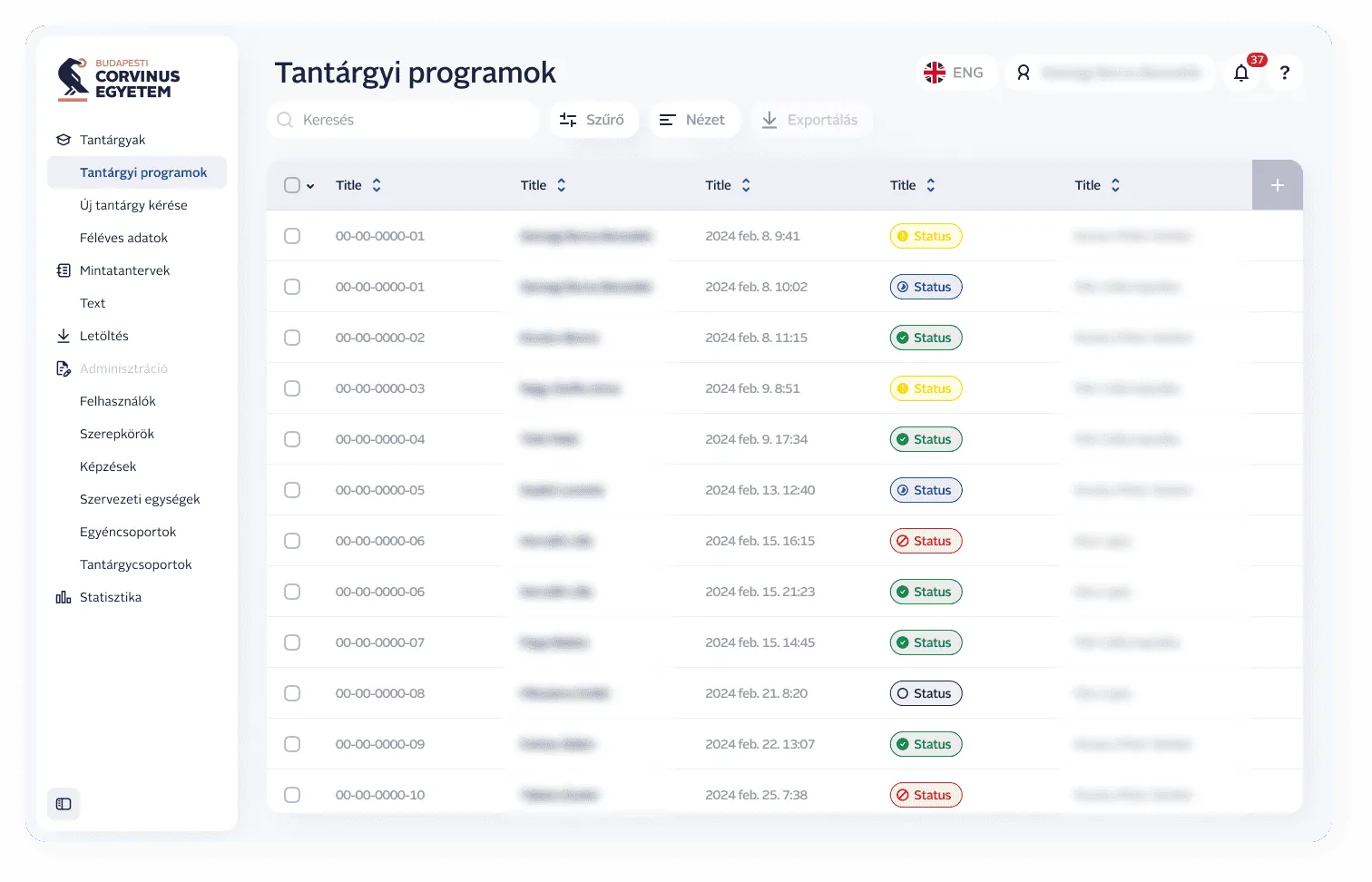
Corvinus TPM
Education · University system2022

Corvinus TPM

The system managing course programmes and model curricula at Corvinus University, with structured, searchable presentation.

Case study
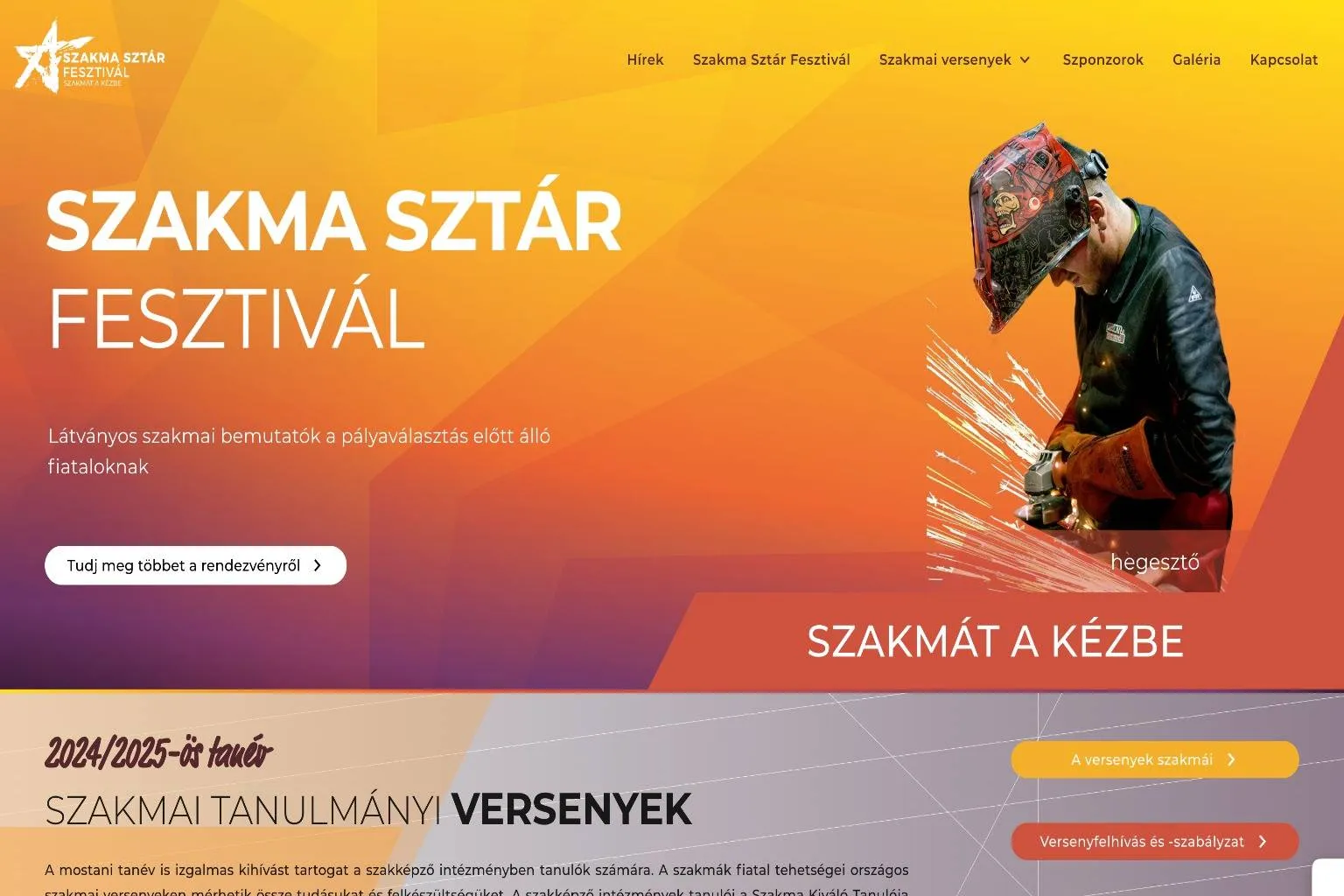
Szakmasztar.hu
Education · Web portal2022

Szakmasztar.hu

Vocational education information portal: institution finder, training pathways, event calendar and customisable content modules.

Case study
SIMPLE.HU
Finance · Web development2022

SIMPLE.HU

A complete redesign of the SIMPLE payment platform’s marketing and product pages: focused on performance, brand and conversion.

Case study
View all 30 references
13 questions
FAQ.
* frequently asked questions

Frequently asked questions.

Still have a question? Email hello@ap4.hu, we reply within 2 business days.

We price a mobile MVP after reviewing the use case, backend, integrations, offline operation, security and administration interface - typically €15–38k. The approved range for a complex production solution is €50–125k. The exact price depends on scope, platform choice (native vs cross-platform) and backend complexity; a fixed-price MVP package is also available.
Two paths: (1) native (separate Swift for iOS and Kotlin for Android), best performance and UX, but 60–80% more expensive; (2) cross-platform (React Native or Flutter), a single codebase, 30–50% faster time-to-market, with slight UX trade-offs. For B2B business apps cross-platform is usually the better choice, unless complex graphics/animation are required.
A native app is built in each platform’s own language (Swift for iOS, Kotlin for Android), maximum performance, access to every OS feature, but two separate builds. Cross-platform (React Native, Flutter) generates iOS and Android apps from a single codebase: faster and cheaper, but weaker for some performance-critical or platform-specific features.
An MVP typically takes 6–12 weeks, a full production app 12–26 weeks, an enterprise app 26+ weeks. We give you the exact schedule after discovery - the proposal records the phases and conditions in detail.
Yes. The release process may include the build, testing, the store listing, review management and release planning: app description, screenshots for every device size, App Store Connect / Google Play Console configuration and a base ASO package. Responsibility for client accounts and legal content is agreed at the start of the project.
An MVP (Minimum Viable Product) contains the 3–5 most important features to validate or disprove the business hypothesis. Built in 6–12 weeks. A full app has 20–30 screens, push notifications, in-app purchases, analytics, ASO and 3 months of support: a production-grade product.
AP4 Digital has delivered mobile apps across 13+ industries for companies large and small, including: public transit (BKK Telebusz), finance and payments (Simple), education (Corvinus), healthcare (Swiss Clinic), manufacturing (Alcoa), insurance (Europ Assistance), tourism (TMRW Hotels), automotive (UNIX Autó). 50+ delivered mobile apps, since 2013.
Yes. After every delivery the full source code, design assets and documentation are handed over. AP4 Digital does not license-lock the code. We work under NDA, and client data never leaves your tenant.
Book a 30-minute call on Calendly. We discuss the business goal, existing systems and platform needs. Within 2 business days we email a preliminary proposal: feature scope, recommended tech stack, time and budget ranges. The detailed, committed proposal follows after discovery.
Yes: a significant share of our engagements is the modernization or rewrite of existing, ageing mobile apps. We map the codebase with AI-assisted legacy analysis, then migrate it to a modern stack (React Native or native) in a controlled way. If you want to refresh a 5+ year old app or shorten a 30+ month roadmap, this is exactly the process we run.
We define the operations, monitoring, support and continued-development model before release. AP4 can hand the system over to the client's team or continue the work under a separate support arrangement: the MVP package includes 1 month of support, the full package 3 months. After that we handle maintenance on a monthly retainer: iOS/Android version tracking, store changes, crash monitoring, smaller improvements, with a written SLA. Plan for the 1–2 mandatory platform updates Apple and Google ship every year.
React Native and Flutter for cross-platform, Swift (iOS) and Kotlin (Android) for native. Backend: Node.js, Python or Go with PostgreSQL, on AWS / GCP / Azure. For AI features, a private RAG architecture (LangChain, Anthropic Claude, OpenAI, self-hosted LLMs). We match the stack to your use case on the 30-minute call.
Yes, it’s one of our core specialties. With a private RAG architecture where AI features (chat assistant, document analysis, image recognition, voice commands) run in the company’s own tenant, data never leaves the corporate security perimeter. AI integration can be part of every tier (MVP, Full, Enterprise).

All 30 questions in one place: full FAQ →